Bali has long captured the hearts of travelers, but in recent years, it’s evolved into more than just a holiday destination. It’s now a home base for thousands of people seeking a slower pace of life, creative inspiration, or a base for remote work. Among the island’s many neighborhoods, Ubud and Canggu stand out as two of the most popular choices for long-term villa rentals.
While both offer unique charm, they couldn’t be more different in atmosphere and lifestyle. Ubud is lush, green, and serene, attracting those who value wellness, art, and nature. Canggu, on the other hand, is a vibrant coastal hub brimming with cafés, surf breaks, and nightlife. Deciding between them isn’t always easy, especially when you’re committing to several months or even a year.
This guide will break down the costs, lifestyle, amenities, transportation, and overall pros and cons of each, so you can make the best choice for your Bali adventure.
Quick Overview of Ubud and Canggu
Ubud
Nestled in the highlands of central Bali, Ubud is often referred to as the island’s cultural and spiritual center. It’s surrounded by emerald-green rice paddies, deep jungle ravines, and flowing rivers. Here, you’ll find art galleries, traditional dance performances, yoga retreats, and organic cafés serving fresh, locally sourced food. Life moves at a slower pace, and the setting encourages mindfulness and creativity.
Canggu
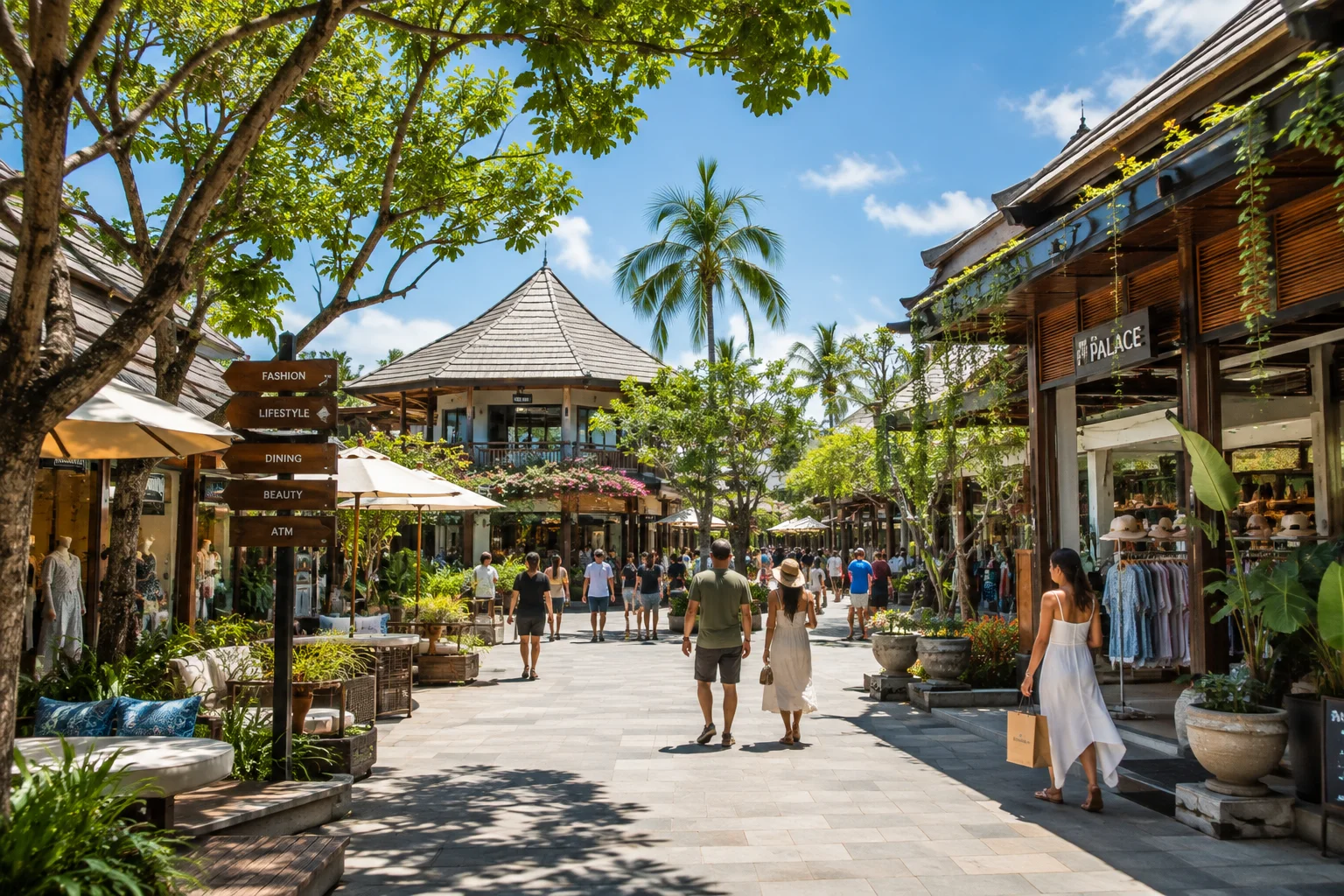
Located along Bali’s southwest coastline, Canggu is where the ocean meets modern bohemian living. Known for its world-class surf, beach bars, and buzzing café culture, it’s a magnet for digital nomads, surfers, and younger travelers. It blends Bali’s charm with modern comforts—fast internet, boutique gyms, and endless dining options.
In short: Ubud is about tranquil greenery; Canggu is about coastal energy.
Cost of Long-Term Villa Rentals
When it comes to affordability, Ubud often has the upper hand. Villas here tend to offer more land, larger gardens, and serene views for a lower price compared to Canggu.
- Ubud:
- 1-2 bedroom villa: IDR 7-15 million/month ($450–$950 USD)
- 3-4 bedroom villa with pool: IDR 15-30 million/month ($950–$1,900 USD)
- Discounts are common for 6-12 month leases, and landlords are often more open to negotiation.
- Canggu:
- 1-2 bedroom villa: IDR 12–20 million/month ($750–$1,250 USD)
- 3-4 bedroom villa with pool: IDR 25–50 million/month ($1,600–$3,200 USD)
- High demand means prices remain firm, especially during peak travel seasons.
Verdict: If budget is your priority, Ubud will give you more space for less money, while Canggu’s price premium reflects its coastal location and popularity.
Lifestyle and Atmosphere
Ubud is ideal for those who prefer a peaceful routine. Days might start with a yoga class, followed by working from a quiet café overlooking the rice fields, and ending with a traditional Balinese dance performance or a healthy vegetarian dinner. The air is cooler due to its higher elevation, and the soundscape is filled with chirping birds rather than motorbikes.
Canggu, on the other hand, offers an active, social, and sometimes noisy lifestyle. Mornings are for surfing or hitting the gym, afternoons are spent working from bustling co-working spaces, and evenings often lead to beach sunsets and live music. It’s lively, and for some, addictive.
Bottom line: Ubud is for slow living; Canggu is for fast-paced fun.
Amenities and Convenience
While both towns have grown rapidly, Canggu’s amenities are more developed for a modern, connected lifestyle. You’ll find large supermarkets, international restaurants, top-tier gyms, and medical clinics just minutes away. Co-working hubs like Dojo and BWork offer high-speed internet and networking opportunities.
In Ubud, the essentials are still available, great cafés, yoga studios, and organic markets, but large supermarkets and private hospitals require a short drive to Denpasar. Internet speeds have improved dramatically in recent years, but they can still be inconsistent in more rural parts of Ubud.
If you rely heavily on fast internet and modern conveniences, Canggu has the advantage. If you’re happy with simpler living surrounded by nature, Ubud is more than enough.
Transportation and Accessibility
Getting around in Bali can be a challenge, and both Ubud and Canggu come with pros and cons.
Ubud:
- About 1-1.5 hours from Ngurah Rai International Airport.
- Roads are less congested than Canggu’s, but distances between attractions can be greater.
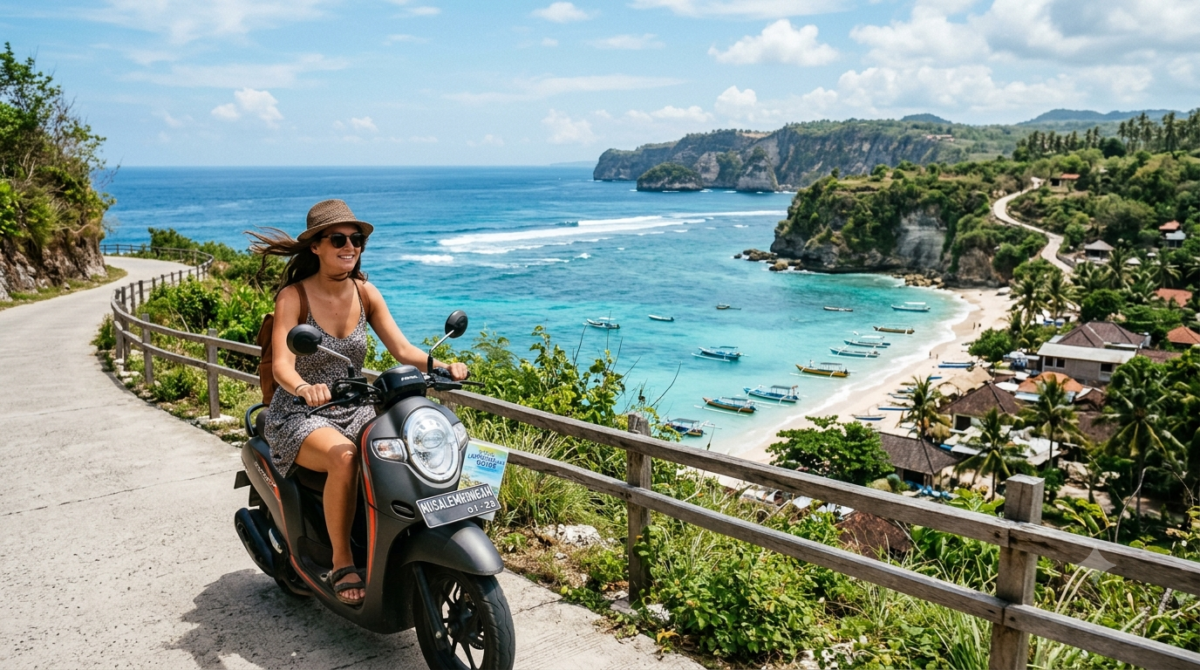
- Best explored by scooter or hiring a driver for longer trips.
Canggu:
- Around 45 minutes from the airport, unless you hit the infamous Bali traffic.
- Traffic congestion is common, particularly on narrow coastal roads.
- Most people get around by scooter; cars are possible but parking can be tricky.
In short, Canggu is closer to the airport but suffers from more daily congestion.
Pros and Cons Summary
Ubud Pros:
- More affordable rentals
- Lush natural surroundings
- Strong wellness and creative community
Ubud Cons:
- Limited nightlife
- Farther from hospitals and big supermarkets
Canggu Pros:
- Beach lifestyle with surfing and sunsets
- Excellent cafés, gyms, and co-working spaces
- Thriving social and expat community
Canggu Cons:
- Higher rental prices
- Heavy traffic at peak times
8. Recommendations Based on Your Needs
- For remote workers: Canggu’s internet speed and co-working spaces make it the better choice.
- For families: Ubud’s quiet environment and spacious villas are perfect for kids.
- For wellness retreats: Ubud’s yoga studios and serene setting are unmatched.
- For social and nightlife lovers: Canggu is the place to be, with endless events and beach bars.
Both Ubud and Canggu offer incredible opportunities for long-term villa living in Bali, but they cater to different personalities. Choose Ubud if you want peace, greenery, and more space for your money. Choose Canggu if you want to be close to the beach, surrounded by energy, and have easy access to modern amenities.If possible, spend at least a week in each location before making your decision. Experiencing the daily rhythm in person is the best way to know which one feels like home.