Marine tourism has become one of the most powerful ways for people to connect with the ocean, especially in biodiversity hotspots like Indonesia. A Komodo tour often represents a once-in-a-lifetime experience, offering encounters with pristine reefs, vibrant marine life, and dramatic island landscapes. Yet as tourism grows, so does its responsibility. Without thoughtful practices and accountability, the very ecosystems that attract visitors risk irreversible damage.
The Rising Pressure on Coral Reefs
Coral reefs are among the most fragile ecosystems on Earth. They are highly sensitive to physical contact, pollution, and changes in water quality. Increased boat traffic, careless anchoring, inexperienced divers, and unregulated tourism can quickly degrade healthy reefs.
In popular destinations, the cumulative impact of many small actions, such as fin kicks that stir sediment, anchors dropped on coral heads, or waste discharged at sea, adds up. Marine tourism must now shift from simply showcasing natural beauty to actively protecting it, ensuring reefs remain healthy for future generations.
How Dive Operators Can Reduce Reef Damage
Dive operators play a critical role in shaping how guests interact with the underwater world. Education is the first and most effective tool. Briefings before every dive should clearly explain buoyancy control, no-touch policies, and respectful distances from marine life.
Limiting group sizes is another essential measure. Smaller groups reduce congestion at dive sites and lower the risk of accidental coral contact. Experienced guides should be strategically positioned during dives to monitor behaviour and intervene as needed.
In destinations like Komodo Island, where strong currents and delicate reefs coexist, dive planning must prioritise safety and environmental sensitivity. Choosing appropriate sites based on diver experience helps prevent panic, uncontrolled movements, and reef damage.
Sustainable Practices for Liveaboards and Boat Charters
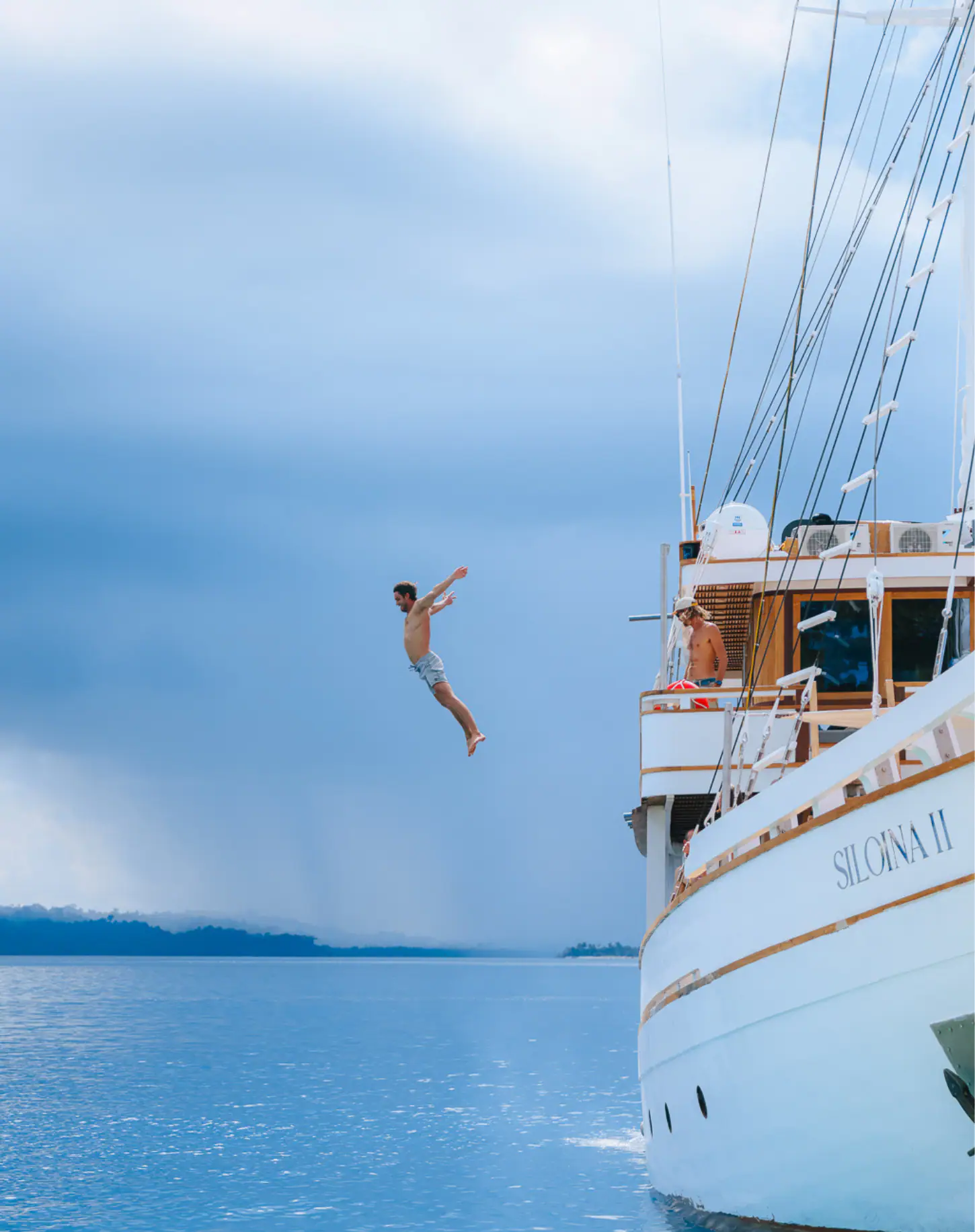
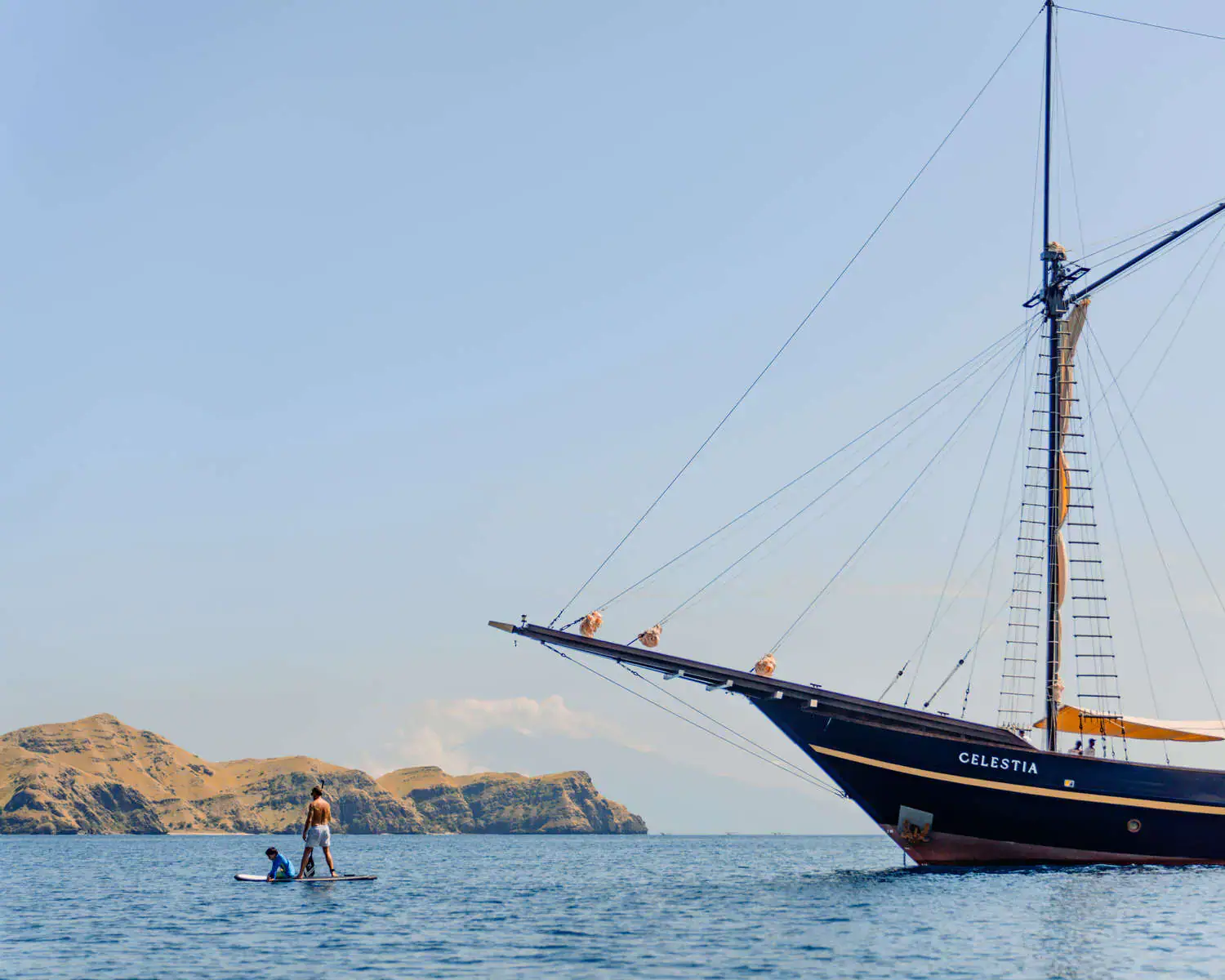
Liveaboards and charter boats have a unique opportunity and responsibility to lead by example. A well-managed Komodo liveaboard can significantly reduce environmental impact compared to multiple daily boats visiting the same sites.
Key eco-friendly practices include:
- Using permanent mooring buoys instead of anchors
- Treating wastewater and prohibiting discharge near reefs
- Eliminating single-use plastics on board
- Implementing fuel-efficient routing and engine maintenance
Similarly, operators running Komodo boat tours should adhere to strict guidelines for anchoring, waste management, and guest capacity. Boats that fail to meet these standards not only harm reefs but also undermine the destination’s long-term sustainability.
Accountability: The Missing Link in Marine Tourism
Eco-friendly practices mean little without accountability. Operators, guides, and boat owners must be held responsible for their actions. This includes compliance with marine park regulations, participation in reef monitoring programmes, and transparent reporting of incidents.
Accountability should also extend to travellers. Visitors on a Komodo tour must understand that responsible behaviour is not optional. Touching coral, chasing marine life, or ignoring briefings directly contributes to ecosystem decline. Sustainable tourism only works when everyone involved accepts their role in conservation.
Certifications, environmental audits, and partnerships with conservation organisations can help distinguish responsible operators from those prioritising short-term profit.
Why Sustainable Marine Tourism Benefits Everyone
Protecting coral reefs is not just an environmental issue; it is an economic one. Healthy reefs support fisheries, coastal protection, and tourism livelihoods. Once reefs decline, destinations lose their appeal, affecting local communities and businesses.
For travellers combining marine experiences with a wider Flores tour, sustainability ensures that future visitors can enjoy the same vibrant underwater landscapes. Responsible marine tourism also enhances understanding by offering calmer dive sites, healthier marine life, and more meaningful encounters.
The Future of Marine Tourism
Marine tourism must evolve from passive observation to active stewardship. Operators who invest in training, infrastructure, and conservation not only protect reefs but also strengthen their reputation and long-term viability.
A modern Komodo tour should no longer be judged solely by the number of sites visited, but by how responsibly those sites are treated. The future belongs to operators who understand that protecting coral reefs is not a limitation; it is the foundation of sustainable marine tourism.