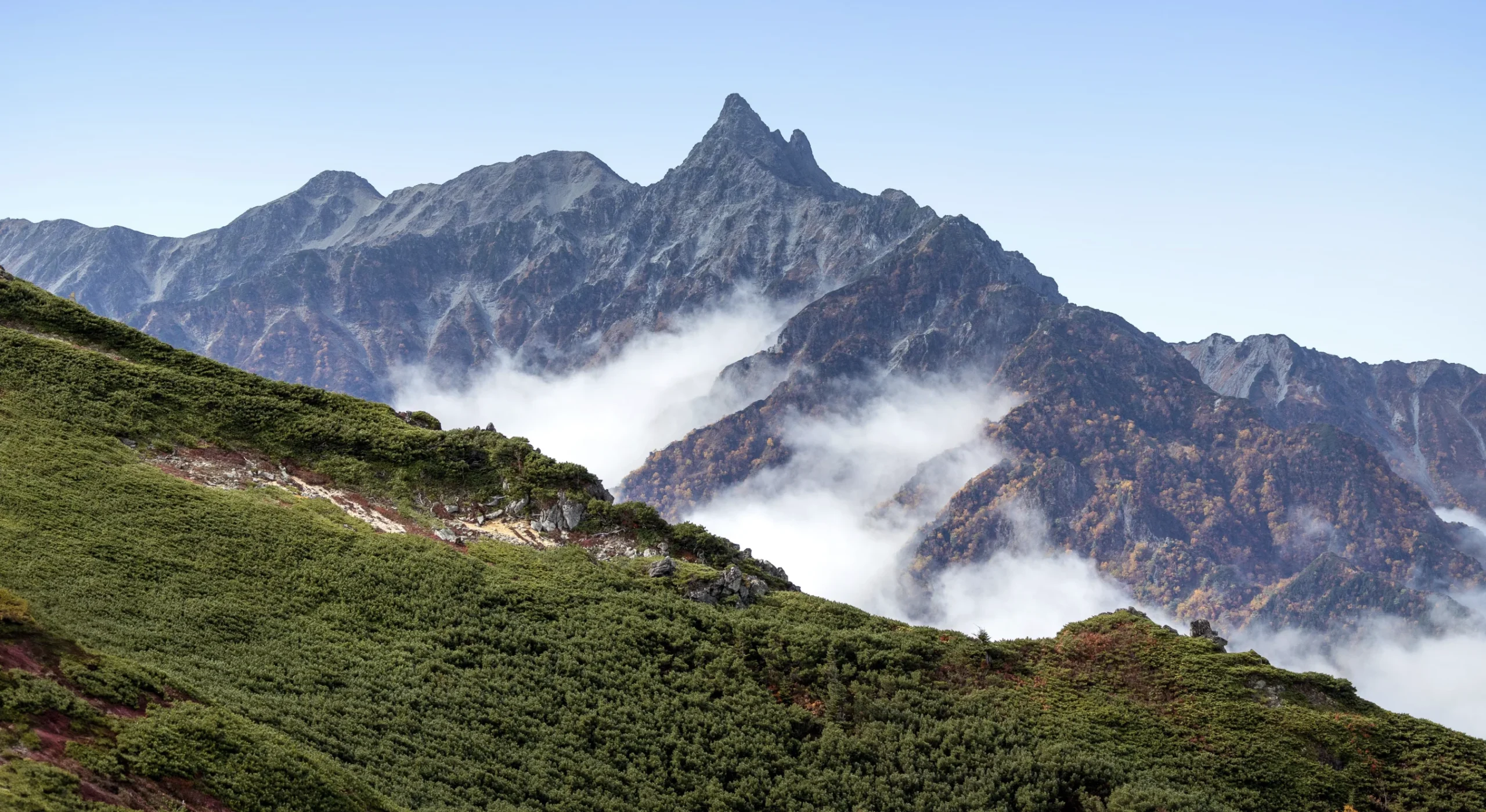
Japan is often associated with bustling cities, historic temples, and seasonal attractions, but it is also one of the most rewarding destinations for outdoor enthusiasts. With mountains covering much of the country, travelers can discover an impressive network of trails that pass through forests, valleys, volcanic landscapes, and remote countryside regions. This combination of accessibility and natural beauty has helped make japan hiking increasingly popular among both domestic and international visitors.
One of the reasons hiking is so appealing in Japan is the diversity of environments available within a relatively compact area. Travelers can explore gentle walking trails near cultural landmarks, tackle challenging mountain routes, or enjoy scenic day hikes that showcase the country’s changing seasons. From lush greenery in summer to colorful foliage in autumn, every season offers a different perspective on Japan’s natural landscapes.
Many hiking routes are also well maintained, making them suitable for a wide range of experience levels. Signage, transportation access, and nearby facilities often allow visitors to enjoy outdoor adventures without extensive preparation. This convenience has encouraged more travelers to include hiking activities alongside traditional sightseeing experiences.
In addition to the scenery, hiking provides opportunities to experience a quieter side of the country. While major tourist destinations attract large crowds, mountain trails and forest paths often lead visitors away from busy urban environments. The result is a more immersive journey that highlights local culture, regional traditions, and the natural beauty that exists beyond Japan’s famous cities.
Popular Hiking Areas Across the Country
Travelers interested in exploring the outdoors will find hiking opportunities throughout Japan. Different regions offer unique landscapes and trail conditions, allowing visitors to choose routes that match their interests and fitness levels.
One well-known destination is Kyoto, where visitors can combine cultural sightseeing with nature experiences. Many routes featured in a Kyoto Japan Hiking Guide pass through forested hills, traditional villages, and historic temple areas. These trails offer a balance between natural scenery and cultural heritage, making them attractive to first-time hikers.
Hakone is another popular destination known for its volcanic landscapes and mountain views. Travelers researching Hakone Japan Hiking Trails often discover routes that provide scenic overlooks, lakeside paths, and opportunities to view iconic natural landmarks. The area’s combination of nature and tourism infrastructure makes it particularly accessible.
For those seeking more diverse terrain, Nikko offers extensive national park environments filled with waterfalls, forests, and mountain scenery. A dedicated Nikko Japan Hiking Routes resource can help travelers identify trails that showcase some of the region’s most impressive natural attractions while remaining suitable for different skill levels.
Kamakura provides a different type of hiking experience. Rather than focusing exclusively on mountain environments, many trails connect historic sites, shrines, and wooded hills. Visitors exploring a Kamakura Japan Hiking Guide often appreciate the combination of outdoor activity and cultural exploration found throughout the area.
Another destination gaining attention among outdoor enthusiasts is Okutama. Located within reach of Tokyo, this mountainous region features river valleys, dense forests, and scenic hiking routes that feel far removed from urban life. Travelers interested in Okutama Japan Hiking experiences frequently visit the area as a convenient escape into nature.
Together, these destinations demonstrate the remarkable variety available to hikers throughout Japan. Whether visitors prefer cultural landscapes, mountain scenery, or peaceful forest environments, there are numerous options to suit different travel styles and interests.
How Hiking Became Popular Among Travelers
Outdoor recreation has become increasingly popular among travelers seeking experiences that extend beyond traditional sightseeing. Hiking allows visitors to engage more directly with natural environments while discovering landscapes that are often inaccessible through standard tourism routes. In Japan, the combination of well-maintained trails, reliable transportation, and diverse scenery has contributed to growing interest in hiking-focused travel.
Many visitors are attracted by the opportunity to explore areas that reveal a different side of the country. While major cities showcase modern culture and historic districts preserve architectural heritage, hiking routes often provide access to forests, mountain ridges, river valleys, and rural communities where daily life follows a slower pace.
The appeal of hiking also extends to travelers seeking flexibility. Some routes can be completed within a few hours, while others require full-day excursions or multi-day adventures. This variety makes it possible for travelers with different schedules and fitness levels to incorporate outdoor activities into their itineraries.
As interest in nature-based tourism continues to grow, hiking remains one of the most rewarding ways to experience Japan’s landscapes while gaining a deeper appreciation for the country’s geographical diversity and regional character.
Different Types of Hiking Experiences in Japan
One of the reasons hiking remains popular among travelers is the remarkable variety of experiences available throughout the country. From short nature walks to challenging mountain adventures, Japan offers routes that cater to different interests, fitness levels, and travel styles. This diversity allows visitors to customize outdoor experiences according to their preferences while exploring landscapes that range from coastal regions to alpine environments.
Many travelers begin with relatively accessible routes that can be completed within a single day. These day hikes often pass through scenic landscapes and provide opportunities to enjoy forests, rivers, and panoramic viewpoints without requiring extensive preparation. Such routes are particularly appealing for visitors who wish to combine outdoor activities with cultural sightseeing.
More experienced hikers may seek longer adventures that involve greater elevation changes and extended periods on the trail. These journeys often reward participants with dramatic scenery and access to remote areas that showcase some of Japan’s most impressive natural environments.
The wide range of available routes ensures that hiking remains accessible to newcomers while continuing to challenge experienced outdoor enthusiasts looking for more demanding adventures.
Exploring Japan’s Mountain Trails
Mountain landscapes play a central role in the country’s outdoor culture. Travelers researching japan hiking mountains often discover an extensive network of routes that traverse volcanic regions, alpine environments, and forested ridges. These trails provide opportunities to experience some of the country’s most dramatic scenery while gaining a deeper appreciation for its geographical diversity.
Many mountain trails pass through protected natural areas where visitors can observe seasonal changes throughout the year. Spring brings fresh greenery, summer offers comfortable conditions at higher elevations, autumn transforms landscapes with vibrant colors, and winter creates striking alpine scenery in selected regions.
Hiking within national parks is particularly popular because these areas often contain well-preserved ecosystems, scenic viewpoints, and established trail networks. Visitors can explore diverse environments while enjoying facilities and infrastructure that support responsible outdoor recreation.
For many outdoor enthusiasts, reaching elevated viewpoints and enjoying summit views represents one of the most rewarding aspects of hiking. These moments provide opportunities to appreciate the scale and beauty of the surrounding landscape while creating memorable travel experiences.
Pilgrimage Routes and Cultural Hiking Experiences
Not all hiking experiences in Japan focus exclusively on natural scenery. Some routes are closely connected to historical and spiritual traditions, offering travelers opportunities to explore cultural heritage while walking through rural landscapes. These journeys often combine outdoor activity with visits to temples, shrines, and historically significant locations.
Visitors interested in Japan Hiking Pilgrimage Routes frequently discover paths that have been used for generations by travelers and religious practitioners. Walking these routes provides a unique perspective on local history while encouraging a slower and more reflective style of travel.
Many pilgrimage routes pass through peaceful countryside environments where forest paths connect small communities and cultural landmarks. The combination of nature and heritage creates experiences that differ significantly from conventional tourism activities.
These cultural hiking journeys continue to attract visitors seeking meaningful travel experiences that combine physical activity, historical exploration, and opportunities for personal reflection.
Guided Hiking Tours and Outdoor Adventures
For travelers unfamiliar with local trails or outdoor conditions, organized hiking experiences can provide additional confidence and convenience. A Japan Hiking Tour Guide often helps visitors navigate routes, understand regional history, and gain insights into the natural environments they encounter along the way.
Guided excursions can be particularly beneficial for travelers exploring remote destinations or areas where local knowledge enhances the overall experience. Guides may introduce participants to regional customs, geological features, wildlife habitats, and cultural traditions that might otherwise go unnoticed.
Whether joining a structured excursion or exploring independently, hiking remains one of the most rewarding forms of outdoor adventure available in Japan. The ability to combine physical activity with cultural discovery and natural exploration continues to attract visitors from around the world.
The growing popularity of hiking tourism reflects a broader interest in experiences that encourage meaningful connections with destinations. By following mountain trails, exploring forest environments, and discovering lesser-known regions, travelers gain a deeper understanding of the country’s natural and cultural landscapes.
What Travelers Should Know Before Hiking in Japan
Proper preparation can significantly improve the overall hiking experience, regardless of the route’s difficulty level. While many trails are well maintained and accessible, weather conditions, terrain, and seasonal changes can influence the level of challenge encountered along the way. Taking time to research routes and understand local conditions helps travelers enjoy safer and more rewarding outdoor adventures.
One of the most important considerations is selecting trails that match personal fitness levels and experience. Some routes involve gentle walking trails suitable for beginners, while others require longer distances, steeper elevations, and greater endurance. Understanding these differences before departure can help prevent unnecessary difficulties during the journey.
Appropriate clothing and footwear are equally important. Weather conditions can change quickly in mountainous regions, particularly at higher elevations. Layered clothing, comfortable hiking shoes, and basic outdoor supplies can improve comfort while helping travelers adapt to changing conditions throughout the day.
It is also beneficial to review transportation options before starting a hike. Many trailheads can be reached by train or bus, but schedules may vary depending on the season and destination. Planning transportation in advance helps ensure a smoother experience and allows travelers to focus on enjoying the journey rather than managing unexpected logistical challenges.
The Best Seasons for Hiking Adventures

Japan offers hiking opportunities throughout much of the year, although each season provides a distinct experience. Spring is often appreciated for its mild temperatures and fresh greenery, creating pleasant conditions for exploring lower-elevation trails and countryside routes.
Summer becomes particularly attractive for hikers seeking cooler temperatures at higher elevations. Mountain regions that may feel challenging during colder months often become popular destinations for outdoor enthusiasts looking to escape the heat found in urban areas.
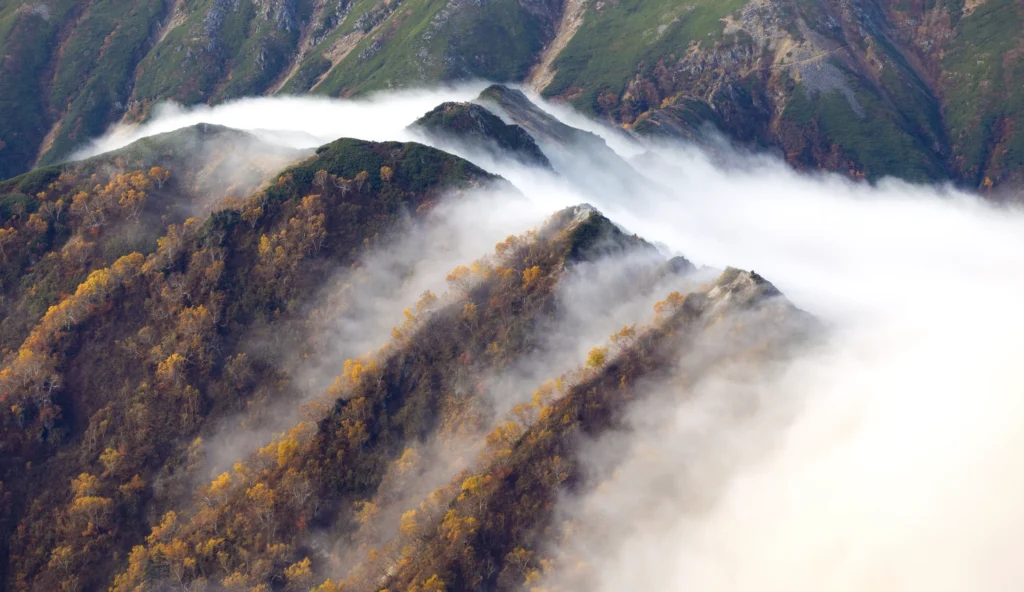
Autumn is widely regarded as one of the most scenic times for hiking. Forests and mountain valleys transform into vibrant displays of red, orange, and yellow foliage, creating spectacular backdrops for outdoor exploration. Many travelers plan hiking trips specifically to experience these seasonal colors.
Winter hiking remains possible in selected areas, although conditions can become considerably more demanding. Travelers considering cold-season routes should carefully evaluate weather forecasts, trail conditions, and safety requirements before setting out on their journey.
Combining Hiking with Comfortable Travel Experiences
Many visitors choose to combine outdoor adventures with comfortable accommodations that allow them to relax after spending long hours on the trail. This approach is particularly appealing for travelers planning multi-day itineraries that include both nature exploration and urban sightseeing.
After completing challenging routes or extended outdoor excursions, some travelers prefer staying at some of the finest luxury hotels in sapporo before continuing their journey to other regions. Combining hiking experiences with quality hospitality can create a well-balanced itinerary that offers both adventure and relaxation.
This balance between active exploration and personal comfort has become increasingly popular among travelers seeking meaningful experiences without sacrificing convenience. It also allows visitors to appreciate different aspects of Japan, from its natural landscapes to its renowned hospitality.
Why Hiking Remains a Rewarding Way to Explore Japan
While many travelers initially visit Japan for its cities, cultural attractions, and culinary experiences, hiking provides an opportunity to discover destinations that often remain overlooked by conventional tourism. Trails reveal landscapes, communities, and viewpoints that cannot always be experienced through traditional sightseeing activities.
Walking through forests, mountain valleys, and rural environments encourages a slower pace of travel. This allows visitors to observe seasonal changes, appreciate local scenery, and develop a stronger connection to the places they visit. The experience often feels more personal and immersive than simply moving between major attractions.
Hiking also highlights the remarkable geographical diversity that exists across the country. From coastal routes and volcanic terrain to alpine environments and historic pilgrimage paths, travelers can encounter a wide range of landscapes within a single destination.
These experiences continue to attract outdoor enthusiasts from around the world, reinforcing Japan’s reputation as one of Asia’s most rewarding destinations for nature-based travel.
Conclusion
Japan offers an exceptional variety of hiking opportunities that appeal to travelers with different interests, experience levels, and travel goals. From mountain routes and cultural pilgrimage paths to accessible nature walks and guided outdoor adventures, the country provides countless ways to explore its diverse landscapes.
Whether discovering scenic viewpoints, walking through historic regions, or exploring national parks, hiking allows visitors to experience a side of Japan that extends far beyond its most famous attractions. The combination of natural beauty, cultural heritage, and well-developed infrastructure makes outdoor exploration both accessible and rewarding.
For travelers seeking meaningful connections with the country’s landscapes and regional character, hiking remains one of the most memorable ways to experience Japan. Each trail offers its own perspective, ensuring that every journey contributes to a deeper appreciation of the destinations encountered along the way.