A recent public discussion held in Kupang by WALHI Nusa Tenggara Timur (NTT) and Nusa Tenggara Barat (NTB) focused on the urgent need for clean energy transitions across the Nusa Tenggara region. The event brought together educators, government leaders, and support organizations to discuss promoting clean energy while protecting the environment. They focused on important natural areas, such as Komodo Island, which need special care to keep them safe and healthy.
The Role of Clean Energy in Protecting Komodo Island
Komodo Island, renowned for its unique biodiversity, including the famous Komodo dragons, stands at the crossroads of energy development and environmental conservation. Participants in the discussion stressed that transitioning to clean energy is essential to prevent ecological damage in regions like Komodo Island, where tourism and local livelihoods depend on a pristine environment.
As Indonesia pivots towards renewable energy, the need for projects considering the ecological and cultural significance of Komodo and neighboring areas like Padar Island was a central theme. This includes ensuring that energy policies include local voices and prioritize the protection of these world-famous destinations.
Also read Citilink Indonesia Collaborates with Kemberin to Offer Bromo Tours and Sailing Trip Labuan Bajo
Challenges and Opportunities for Clean Energy Transitions
Speakers highlighted the growing threat of climate change in small island regions. WALHI’s analysis highlighted that areas like Komodo are specifically at risk from rising sea levels and increasingly severe weather events. The geothermal energy projects planned for Flores, an island near Komodo, were discussed, with calls for ensuring that these projects do not harm the surrounding marine ecosystems.
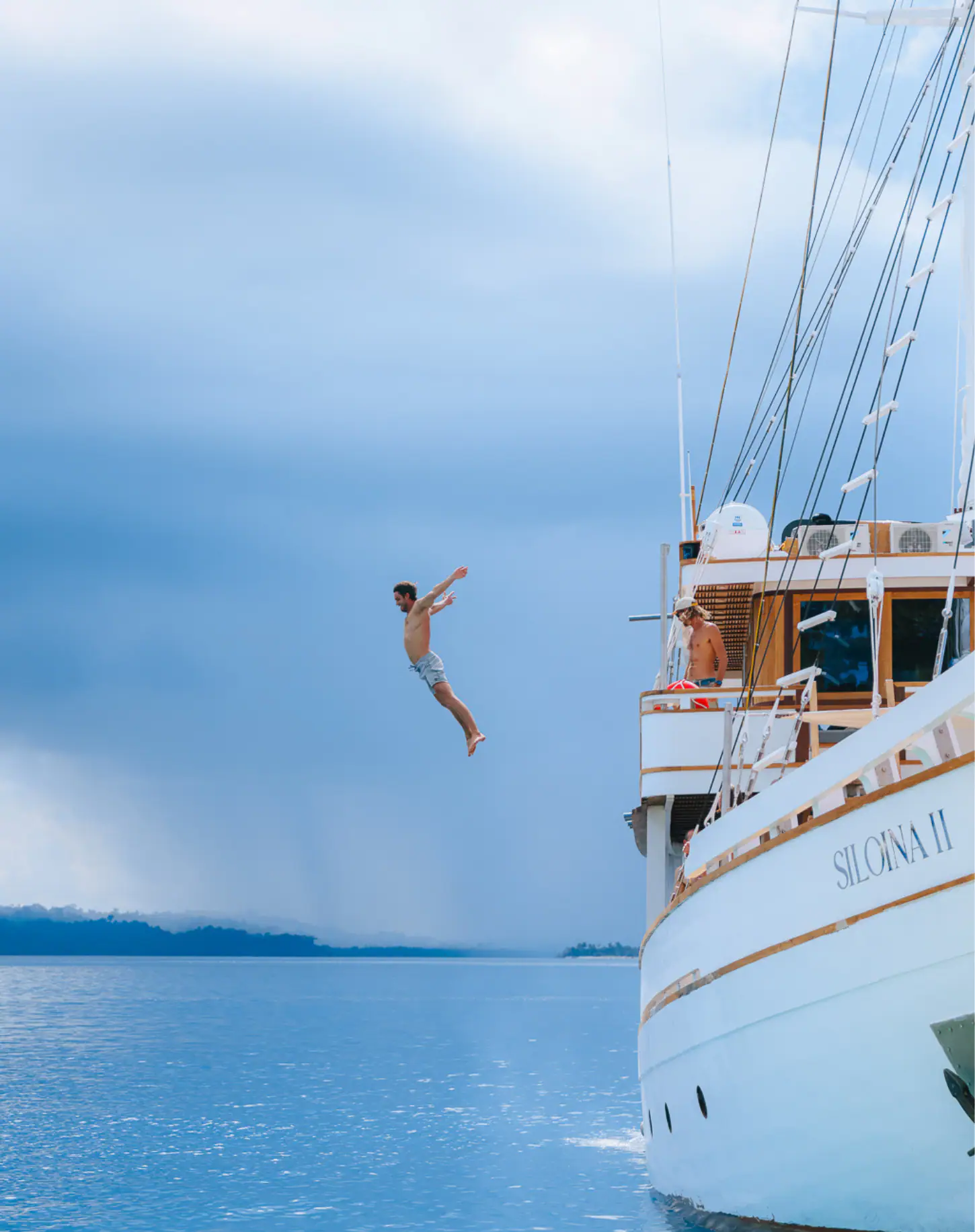
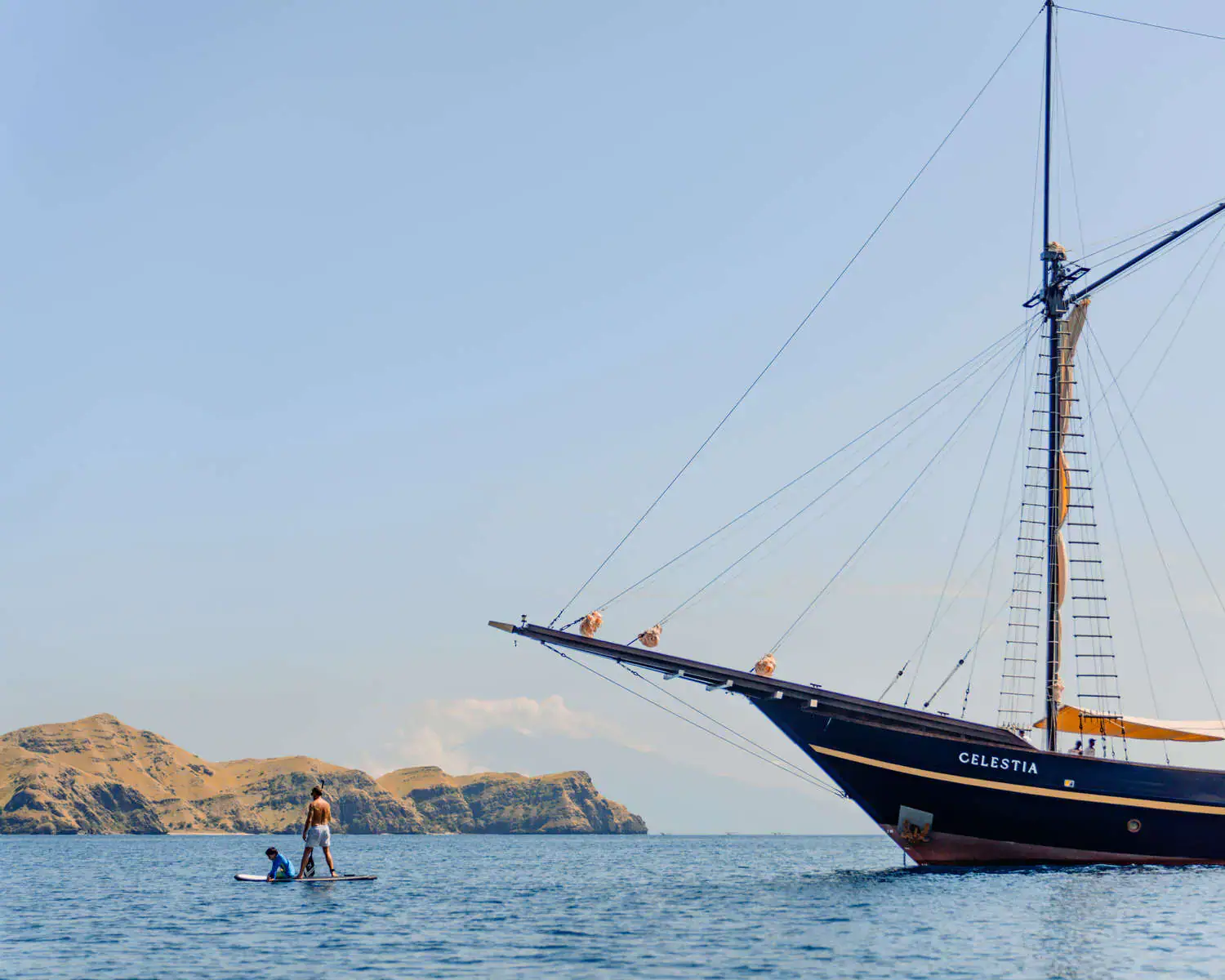
The meeting also explored the potential of renewable energy solutions that align with sustainable tourism initiatives, such as those offered by Komodo liveaboard operators. These operators are increasingly adopting eco-friendly practices, from solar-powered boats to waste reduction strategies, showcasing how tourism and clean energy can complement each other.
A Path Forward for Nusa Tenggara
The event concluded with a call for collaboration between policymakers, local communities, and environmental organizations to create a blueprint for sustainable energy transitions. WALHI urged that any energy development projects in the region, particularly those near Komodo Island, must prioritize environmental integrity and cultural preservation.
Integrating local knowledge and ensuring community benefits were key to balancing development and conservation in Nusa Tenggara’s iconic areas, including the Komodo and Padar islands. This approach safeguards the environment and supports the long-term sustainability of the tourism-driven economy.